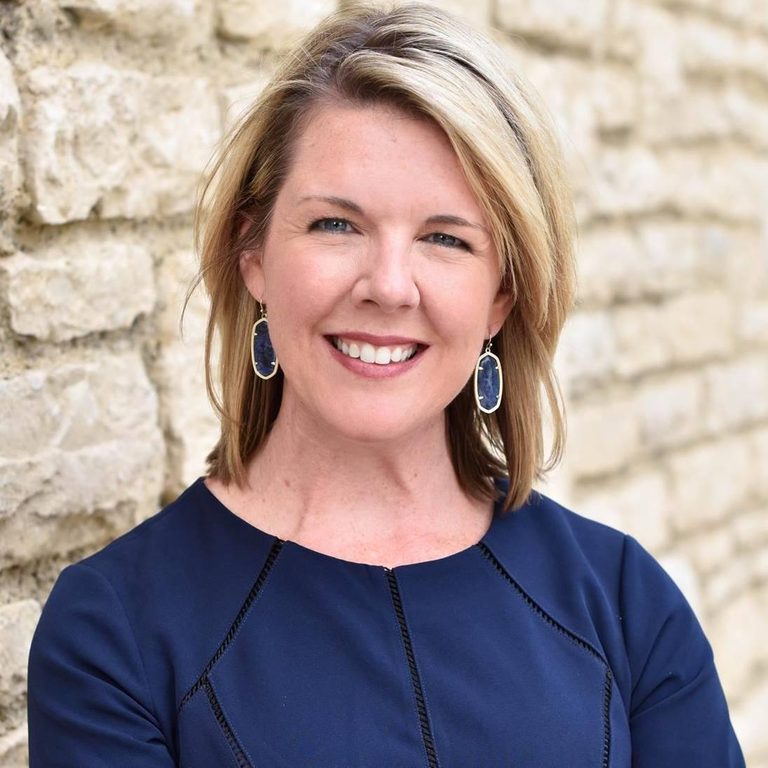
William B. Redpath, a Libertarian from Perrysburg, is certified for the Nov. 3 general election for U.S. Senate in Ohio, a race to fill the rest of an unexpired term.
Asked why he is running, Redpath said in our candidate questionnaire: "I wanted there to be a Libertarian voice in the Ohio US Senate election this year, and without me in this race, there wouldn't be one. I want there to be a multiparty electoral system in this nation, and my running as a Libertarian is at least a small step in that direction."
Other candidates in the race are Greg Levy (Independent), Jon Husted (Republican) and Sherrod Brown (Democratic).
Candidate information
Party: Libertarian
Hometown: Born and raised in Findlay, Ohio. A resident of Perrysburg, Ohio.
Family: "It's just me," Redpath said in our questionnaire.
Education: "Findlay (Ohio) High School, 1975. BA, Indiana University, 1978. MBA, The University of Chicago, 1980," Redpath said in our questionnaire.
Occupation and work history: Redpath said in our questionnaire: "After I earned my MBA degree, I worked as an auditor and accountant at Arthur Andersen & Co. in Cincinnati, WISH-TV in Indianapolis, and ABC and NBC in New York for a total of five years. After that, I had a 38 year career in Business Valuation, specializing in Media & Telecommunications, at BIA Advisory Services in Washington and Summit Ridge Group in Chicago. I retired from that career in 2023."
He added: "I hold an active Certified Public Accountant license in Ohio and Illinois. I am also a Chartered Financial Analyst (Retired) with the CFA Institute and an Accredited Senior Appraiser in Business Valuation (Retired) with the American Society of Appraisers."
Experience and public service
Redpath said in our questionnaire that he has "never been elected or appointed to a public office." He said he has "been a member of the Libertarian National Committee (LNC) for a total of 25 years, including as Chair of the LNC from 2006 to 2010 and have served as Treasurer several times."
According to the Libertarian Party's website, Redpath was inducted into the party's Hall of Liberty in 2016, alongside former U.S. Representative Ron Paul.
Asked about accomplishments, Redpath said in our questionnaire: "I worked non-stop in various financial positions in the private sector for 43 years, while my opponents have largely been in government positions for their entire careers." He added: "I am the National Ballot Access Coordinator for the LP and have been running LP petition drives since 1990. In 1992 and 1996, I led the successful efforts to place the LP's presidential ticket on the ballot in all 50 states and DC."
On the issues
Top priority: Redpath identified entitlement reform as his top priority, saying in our questionnaire: "The US will face a Federal debt crisis sometime in the future unless it addresses reform of Social Security, Medicare and Medicaid." He called for "a combination of a benefit ceiling, raised retirement age, and indexing benefit growth to prices (not wages)."
Economy and cost of living: Redpath said in our questionnaire: "Congress should eliminate not just Trump's tariffs, but all tariffs. Both economic theory and empirical research show that Americans pay over 90% of tariffs through higher prices." He called his position "a pro-consumer trade policy" and "the real 'America First' policy."
Federal spending and taxes: Redpath said he favors "scrapping the entire Internal Revenue Code and replacing it with the Tax Foundation's Growth and Opportunity Tax Reform Plan," which he described as "a Flat Tax of 20 percent on individual income combined with a generous family allowance to protect low income households."
Health care: Redpath said in our questionnaire: "We need to move away from employer-based health insurance by ending that tax exclusion for businesses … A more competitive individual health insurance market will result, putting more power in the hands of consumers."
National security: Redpath said in our questionnaire: "The US should cease its war with Iran and withdraw its military bases from the Middle East, which is no longer a vital interest to the United States." He added: "With these policies, military spending can be reduced by 40%."