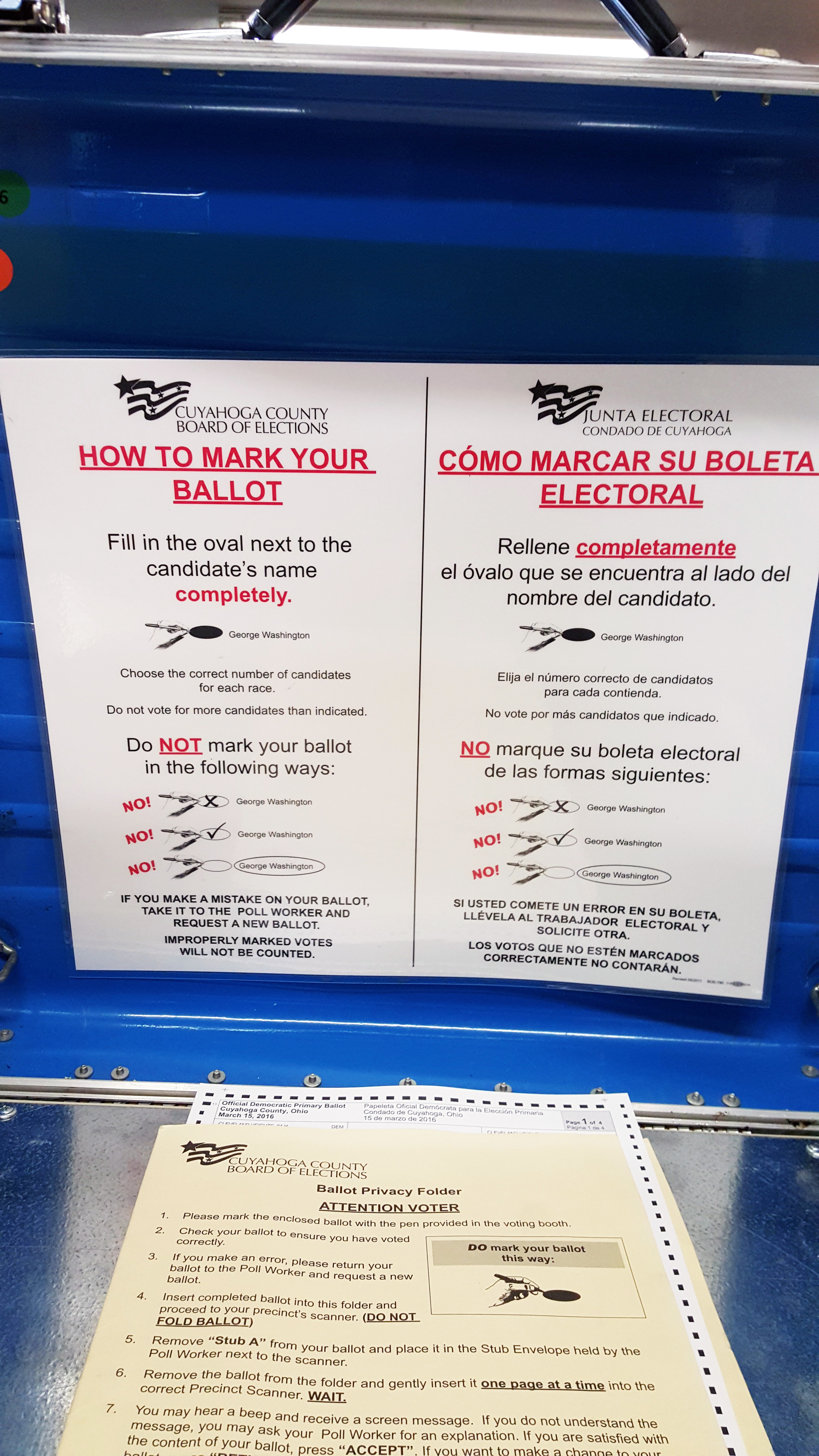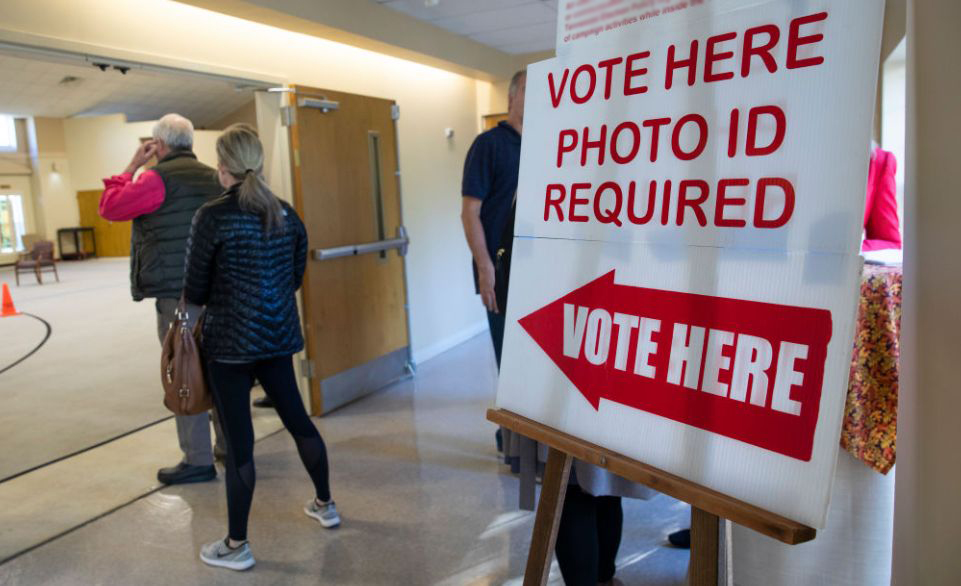
All Ohio voters will decide Issue 3 on Nov. 3, a proposed constitutional amendment on voter identification. It is the only statewide ballot measure this election; local questions vary by precinct.
Election results are pending. This article will be updated as election officials release vote totals.
What Issue 3 would do
The General Assembly placed the amendment on the ballot through Senate Joint Resolution 10. The Secretary of State's certified materials include the full proposal and both sides' official arguments. A majority yes vote would add Section 5 to Article V of the Ohio Constitution, effective immediately upon adoption.
A yes vote approves the constitutional requirement. A no vote rejects the amendment and leaves existing voter-ID law in place. Rejecting Issue 3 would not repeal Ohio's current photo-ID requirement for in-person voting.
In-person and absentee voting
Ohio already requires photo ID for in-person voting. The state's current voter-ID guide lists accepted documents and explains provisional voting for people who arrive without an acceptable ID.
The proposal's approved documents must contain the voter's name and photograph and be unexpired. They include an Ohio driver's license or state ID, a qualifying temporary BMV document, a U.S. passport or passport card, a U.S. military ID, an Ohio National Guard ID or a U.S. Department of Veterans Affairs ID.
The official explanation distinguishes in-person voting from other voting methods. It allows state law to provide alternative identity verification for people who lack photo ID because of a sincere religious objection to being photographed.
For voting by another method, such as mail, the proposal requires photo ID or, if authorized by law, a signature and at least one other qualifying unique identifier. That alternative depends on legislation. The amendment does not require lawmakers to preserve it permanently, nor does it itself guarantee continued access to a particular absentee-voting method.
Arguments for and against
In their official argument, supporters say constitutional photo-ID requirements would deter impersonation, improve public confidence and protect the rule from repeal by future legislative majorities.
Opponents' official argument says existing law already requires photo ID and that constitutionalizing the list limits flexibility as identification technology changes. They also criticize the proposal for lacking guarantees for absentee voting, early voting and free state IDs. These are the opposing sides' arguments, rather than findings that voter impersonation is widespread.
What the polling shows—and its limits
An earlier Honest Elections Project Action polling memo reported that 76% would vote for a constitutional amendment requiring photo ID for in-person voting. The group advocates stronger voter-ID requirements.
The survey covered 800 likely Ohio voters from May 27 to June 2, 2026: 400 by phone and 400 online. The sponsor reported an overall margin of error of ±3.46 percentage points; its methodology used both purchased samples and opt-in panel participants.
The memo predates the certified August ballot language and summarizes an in-person photo-ID amendment question. It does not establish support for every provision of the final Issue 3 text. Its separate 86% figure concerns a general photo-ID requirement, rather than the final Issue 3 proposal.
Voting hours and official results
Ohio polls are open from 6:30 a.m. to 7:30 p.m. Eastern on Tuesday, Nov. 3, according to the Secretary of State's election website. The state's election FAQ explains voting procedures and voter assistance.
Check the official state election website for statewide reporting and the official county results directory for Warren County returns. County figures cover that county, rather than the statewide outcome. Election-night totals remain unofficial until certified.