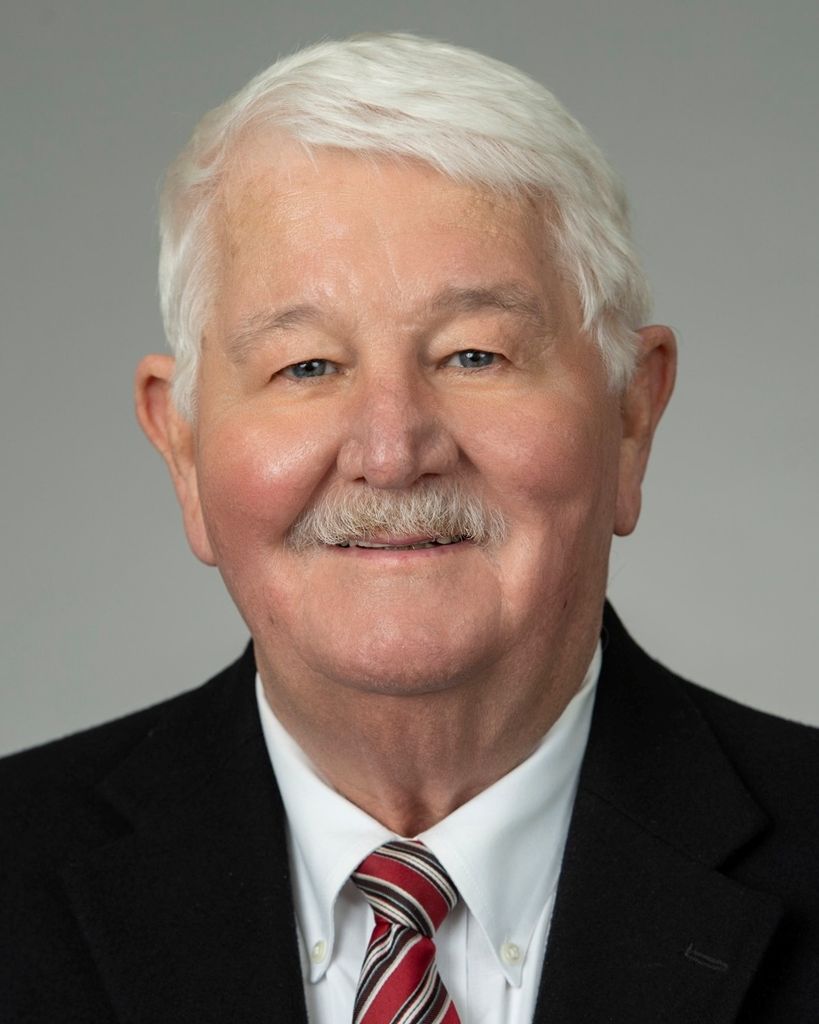
Warren County Prosecutor David Fornshell opposes possible death-sentence commutations, the Dayton Daily News reported Nov. 9.
The Ohio Prosecuting Attorneys Association identifies Fornshell as its 2026 president, placing him in both a county leadership position and a statewide association role.
Governor’s office described a review
DeWine spokesman Dan Tierney said the governor had not decided whether to grant clemency in the cases under review, according to Cleveland.com’s Nov. 9 report.
A review does not itself change a sentence. Ohio’s published procedures distinguish the Parole Board’s investigation and recommendation from the governor’s eventual decision.
How the process works
The Ohio Department of Rehabilitation and Correction explains that clemency applications must be submitted in writing to the Adult Parole Authority. The governor may also direct the Parole Board to investigate whether clemency is appropriate in a particular case.
Under Ohio Administrative Code Rule 5120:1-1-15, the board investigates an application and makes a recommendation to the governor. The rule allows the board to hold a hearing before issuing that recommendation.
State law also provides for notice and victim participation. Ohio Revised Code Section 2967.12 generally requires notice to the prosecutor and sentencing court at least 60 days before a pardon or commutation recommendation. It also establishes notice requirements for eligible victims or their representatives and provides an opportunity to submit written statements.
The statute contains exceptions, including authority for the governor to modify notification and publication requirements in capital cases when insufficient time remains before a scheduled execution.
A commutation reduces a punishment to a less severe one and may include conditions. A reprieve temporarily postpones execution of a sentence. A pardon provides relief from some or all consequences of lawful punishment.
Those are different forms of clemency. An application, hearing or recommendation should not be described as a completed commutation unless the governor has taken that action.