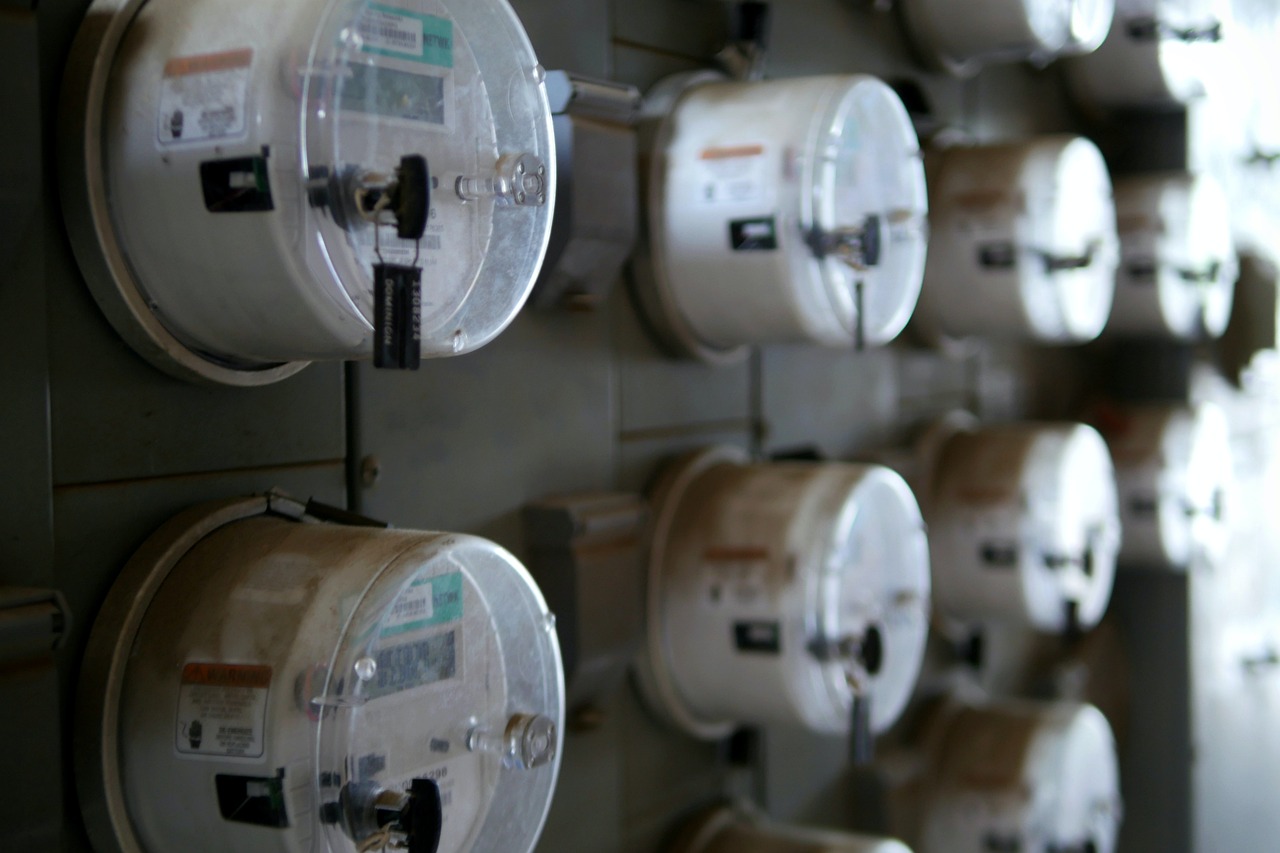
Electricity costs in several Ohio cities reached their highest levels this July, according to a state survey dating to 2015, as rising demand and constraints on new power supplies put pressure on prices.
Residential electric bills hit record levels in July in Cleveland ($189), Dayton ($188), and Akron ($184), according to the Ohio Utility Rate Survey, Signal Ohio reported. Statewide, July bills ran 12% higher than a year earlier and 62% higher than a decade ago.
In American Electric Power Ohio's territory, a Columbus household using 900 kilowatt-hours paid about $199 in July, up from $118 for the same usage in July 2016. AEP Ohio said its average customer's generation bill has risen 103% in five years.
Expanding clean electricity generation and battery storage could help ease those pressures. But evidence of lower wholesale prices elsewhere does not guarantee immediate savings in Ohio. Projects must get approved, connected and built and lower supply costs must work their way into customers’ rates.
Why Ohio is short on power
Much of Ohio relies on PJM Interconnection, which runs the regional grid across 13 states.
PJM announced July 14 that its auction to secure power supply for 2028/2029 fell 6,831 megawatts short of its reliability standard—the amount of power capacity needed to meet projected peak demand plus a reserve margin, according to a PJM news release. The last two auctions both missed that target, a first in PJM's history.
Data centers are a major driver of demand. Ohio ranks fifth nationally with more than 200 data center facilities, cleveland.com reported. An Ohio Business Roundtable report warned the state's energy needs could surge 50% over the next decade because of data center and AI demand.
What solar and batteries have done elsewhere
Evidence from elsewhere in the U.S. suggests renewable power and battery storage can help hold down wholesale prices.
Low natural gas prices were the main reason prices were lower and steadier in 2024, an analysis by the U.S. Energy Information Administration found. More renewable generation and storage also played a part.
On the Texas grid, run by ERCOT, day-ahead prices in the North region fell nearly 50% in a 2024 comparison by the consulting firm E3, using data through mid-December. Almost 10 gigawatts of new solar and storage contributed, along with milder weather and flat peak demand.
Why new power takes time
Nolan Rutschilling, managing director of energy policy at the Ohio Environmental Council, told Signal Ohio that new gas plants can take five to seven years to reach the market amid turbine shortages, while renewable projects can be built faster.
Approval is only part of the job. Before a project can deliver electricity, developers may need grid-connection studies, transmission upgrades, financing and equipment. PJM has been working through a backlog of projects seeking connections. Even after securing interconnection agreements, developers can face state and local permitting delays, supply-chain problems and financing constraints that prevent construction from moving forward, according to PJM. Those hurdles can delay new supply and any potential savings for customers.
A new push to build
Build Ohio First launched in September, saying it advocates for affordable, reliable and abundant energy. The Buckeye Institute and Americans for Prosperity-Ohio lead the coalition, with support from Powering Prosperity.
The group supports natural gas, nuclear, wind and solar, along with grid modernization, according to Columbus Business First.
How savings would reach customers
For families, small businesses and farms, lower wholesale prices matter only if they reduce the cost of electricity purchased for their accounts. The timing depends on utility supply auctions, supplier contracts and aggregation agreements.
Generation is also only one part of the bill. Transmission and distribution charges pay for moving electricity and maintaining the delivery network. New infrastructure can create additional costs, potentially offsetting some generation savings.
Businesses and farms may face different rates and usage patterns from households. For operations with demand charges, reducing peak electricity use may matter alongside the total kilowatt-hours consumed. On-site solar, batteries or community-energy subscriptions would need to be evaluated against those specific tariffs, financing costs and operating needs.
Expanding clean electricity and storage could help Ohio meet growing demand, but customer savings will depend on how quickly projects begin delivering power, what infrastructure costs are added and how utilities and suppliers price electricity.