The three candidates running for a Warren County commissioner seat disagree on whether the county's new 0.5% sales tax increase was the right call for Mason-area taxpayers.
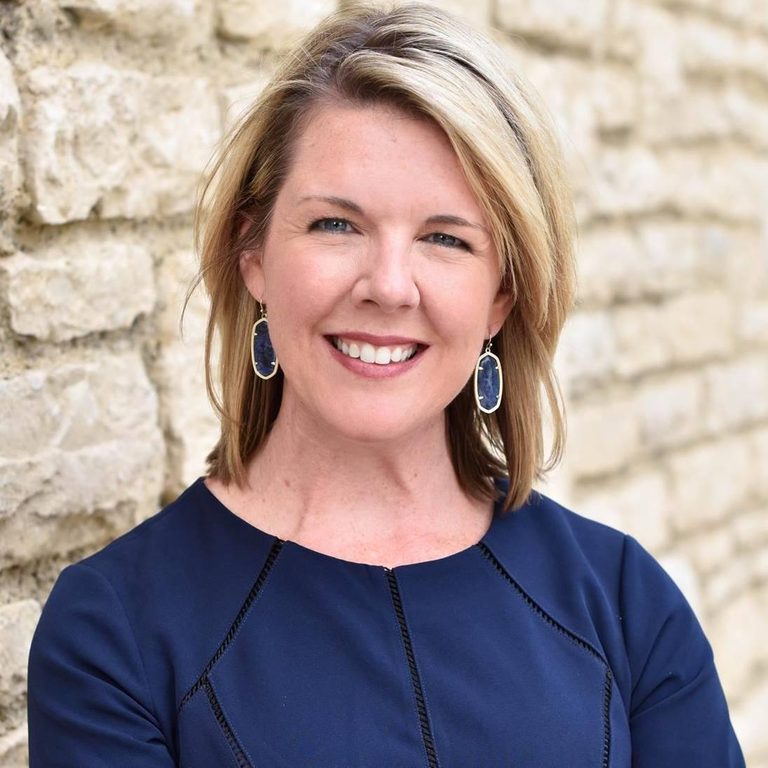
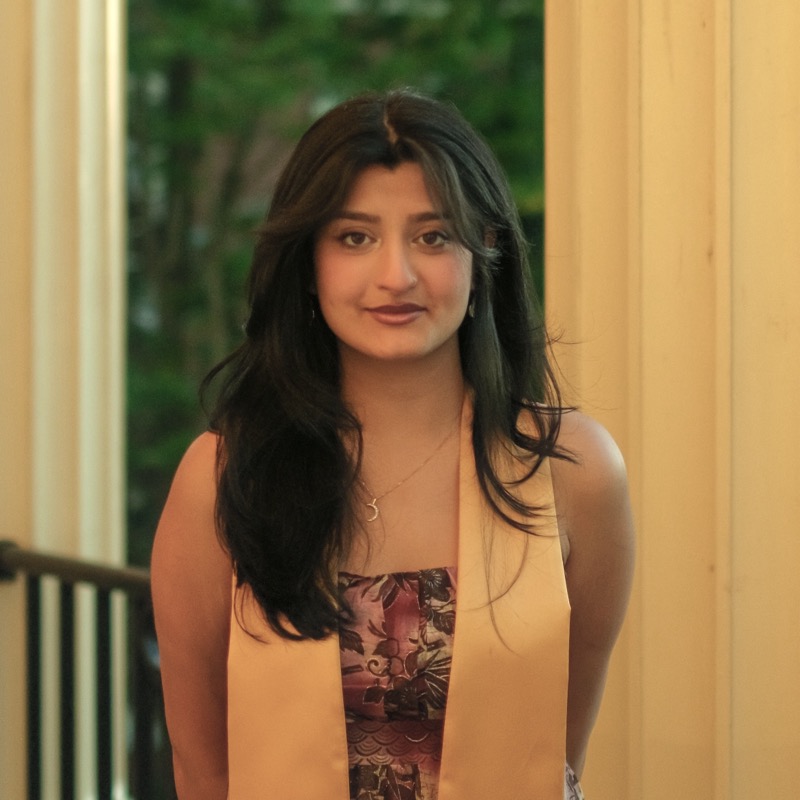
Republican incumbent Tom Grossmann, Democrat Ian Logan and Libertarian Katherine Bowles each spoke with the Dayton Daily News, laying out where they stand on taxes, data centers and automatic license plate readers ahead of the Nov. 3 election. Early voting is underway.
Sales tax
Grossmann, a Mason resident who has served as commissioner since January 2015, voted with the other two commissioners in June to raise the county sales tax from 6.75% to 7.25% while waiving the county's share of property tax for one year. He said the county carries a triple-A bond rating from Moody's and no debt, and that Warren County's combined property tax millage of 7.78 remains well below Hamilton County's 25.76, according to the Dayton Daily News.
Logan, a Mason High School graduate who earned a political science degree from Ohio State University in 2026, said he would not have supported the increase. The county treasurer holds about $80 million in liquid assets in Star Ohio, the state's public investment pool, according to the Dayton Daily News.
"Property tax reform is something that is needed, but it needs to be real relief, not just an exchange of where the money comes from," Logan said.
Bowles, a Lebanon resident and former Verizon customer service employee, called for more transparency in how collected taxes are spent and greater scrutiny of tax abatements before they are granted.
License plate readers
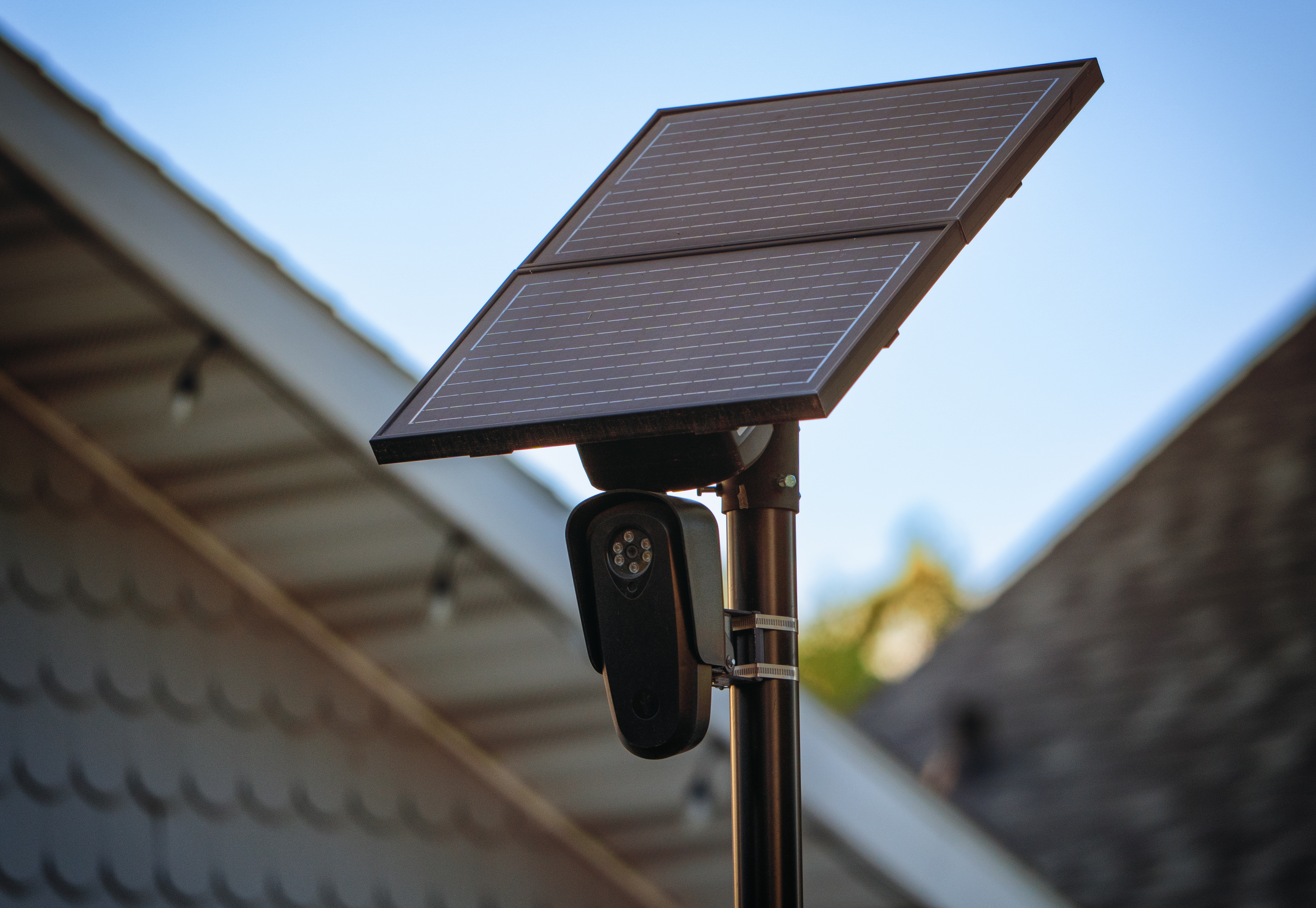
The candidates split most visibly on automatic license plate readers, or ALPRs. Lebanon City Council voted Sept. 8 to remove all 20 of its Flock Safety cameras after the company failed to answer 54 written questions from the city. The Hamilton County Sheriff's Office terminated its Flock program Oct. 2 after a pause that began Sept. 3.
Grossmann supports ALPRs for law enforcement but said guardrails are in place. "If there is abuse, we will address it," he said.
Logan and Bowles both oppose the cameras. Logan said data collected by the cameras is a valuable commodity and he does not support one political party or another controlling that information. Bowles said it is a disservice to law enforcement to say officers need the cameras to do their jobs successfully.
Data centers
All three candidates said they would allow data centers under conditions, but Logan drew the hardest line on transparency. He opposes non-disclosure agreements between commissioners and companies proposing data center projects and distinguished between large complexes proposed in surrounding counties and smaller facilities already in places like Mason.
Grossmann said no data centers exist in areas where the county controls zoning and that commissioners have started studying regulations to limit community impact. Bowles signed a petition for a proposed constitutional amendment that would ban new data centers consuming more than 25 megawatts of energy per month.
Warren County is Ohio's sixth fastest-growing county by population since 2020, according to a 2026 World Population Review study cited by the Dayton Daily News. Grossmann said managing that growth as the county approaches 300,000 residents is the biggest issue facing commissioners over the next eight years.
Election Day is Tuesday, Nov. 3.