Researchers at Mason's Lindner Center of Hope have identified a new potential target for treating major depression. The target: neural pathways in the spinal cord that relay signals about the body's internal state to the brain.
The team published its findings Sept. 22 in Discover Mental Health, a Springer Nature journal. The open-access perspective paper, titled "Spinal interoceptive pathways as therapeutic targets in depression," reviews emerging evidence that these spinal interoceptive pathways, or SIPs, may become dysregulated in people with major depressive disorder.
Francisco Romo-Nava, MD, PhD, the paper's corresponding author, serves as associate chief research officer at the Research Institute at Lindner Center of Hope and as an associate professor in the Department of Psychiatry and Behavioral Neurosciences at the University of Cincinnati.
"Understanding how the brain and body communicate may provide important new insights into psychiatric disorders and ultimately point toward additional treatment possibilities," Romo-Nava said in the center's Oct. 7 announcement.
The hypothesis works like this: spinal interoceptive pathways carry information about what's happening inside the body up to the brain. Romo-Nava's team believes these pathways can become overloaded with signals, disrupting brain-body communication in ways that contribute to depression. The University of Cincinnati reported that Romo-Nava compared the effect to a traffic jam on a highway.
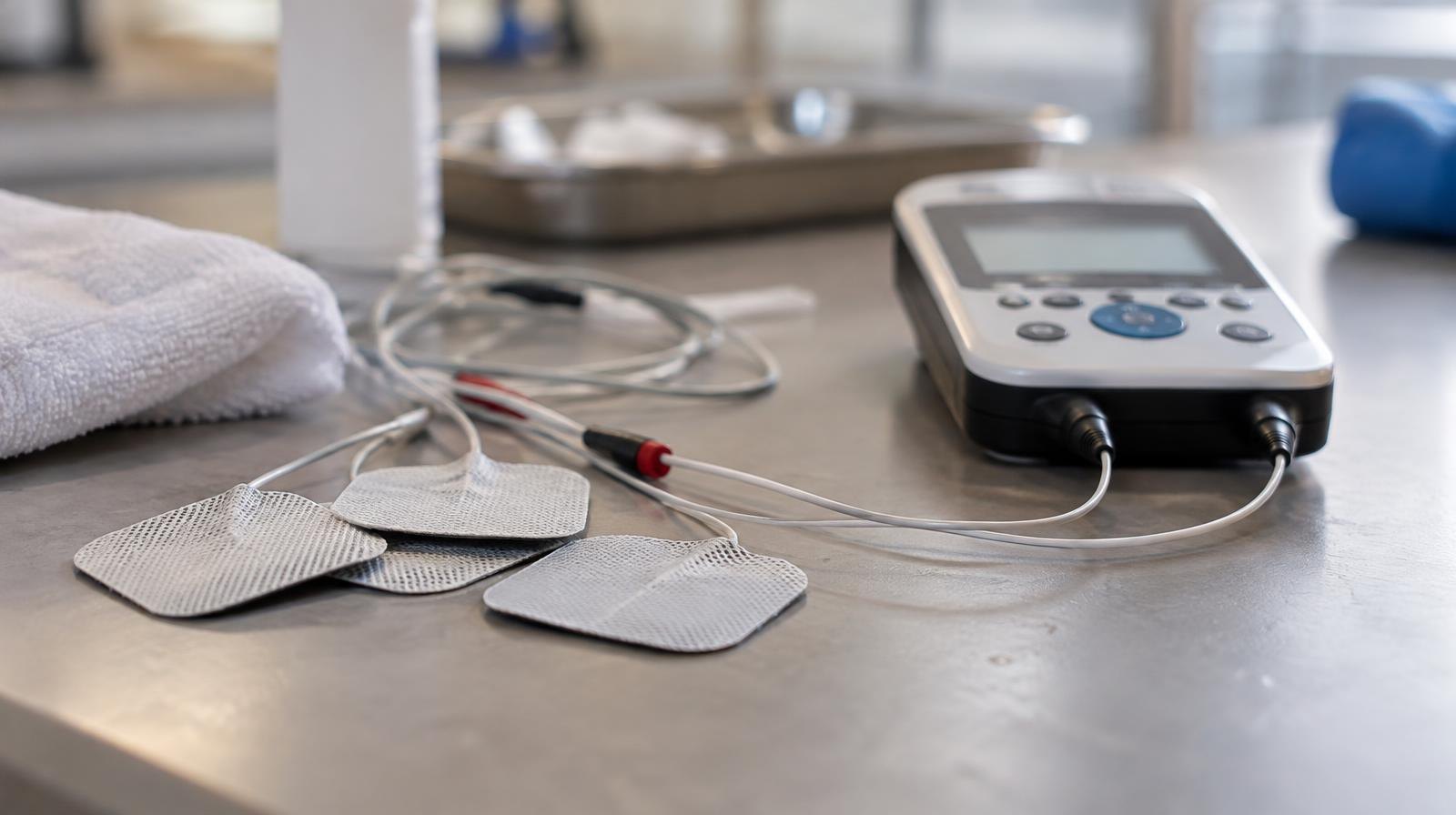
The analogy is simple. Since 2020, the team has been testing a patented noninvasive spinal cord electrical stimulation method that aims to reduce that signal overload. Preliminary data showed the approach was feasible and well-tolerated, according to the UC report. Using EEG data in a study funded by the National Institute of Mental Health (NIMH), the researchers confirmed that laser stimulation delivered along the spinal pathway reaches the brain.
Six other Lindner Center-affiliated researchers co-authored the paper, including Susan L. McElroy, MD. Collaborators from the University of Cincinnati College of Medicine, the University of Virginia School of Medicine and the Laureate Institute for Brain Research also contributed.
Romo-Nava presented related findings at the 28th Annual Conference of the International Society for Bipolar Disorders in Vancouver, Canada, held Sept. 28–30. The research was supported by the Lindner Center of Hope, the University of Cincinnati and NIMH.
The team is now recruiting participants for a double-blinded randomized controlled trial studying the effects of modulating spinal interoceptive pathways with electrical stimulation. No trial completion date has been announced.