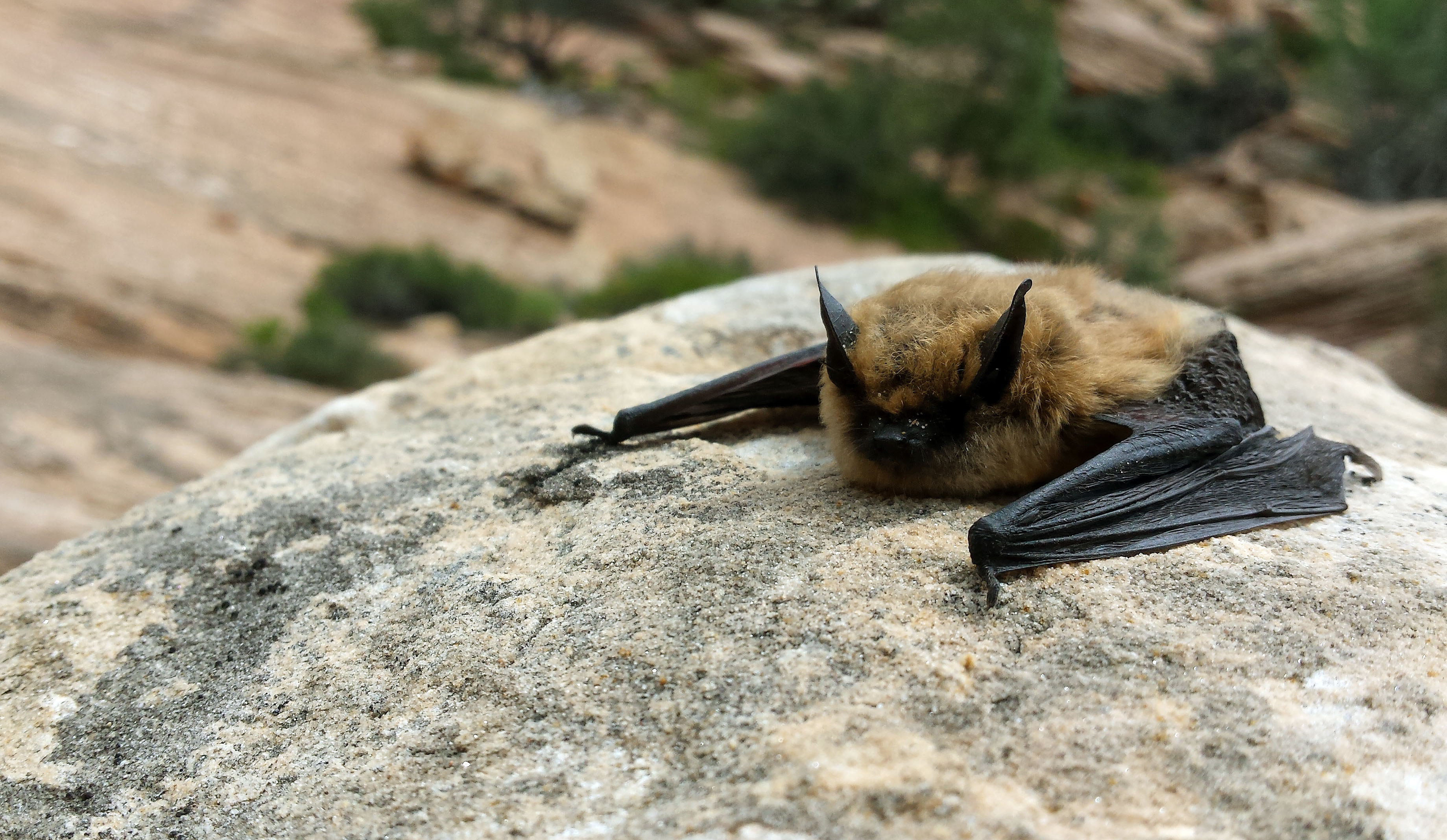
Warren County has recorded two rabies-positive bats so far in 2026, part of a nationwide surge that prompted a CDC health advisory on Sept. 10.
The Centers for Disease Control and Prevention (CDC) said it received 17% more rabies-related inquiries from July through August than during the same period in 2025. The agency also received reports of mass exposure events involving more than one person.
At least eight state health departments reported increases in post-exposure prophylaxis (PEP) use, PEP administration errors, or both during that stretch, according to the CDC's advisory.
Local numbers
Warren County's two confirmed rabid bats were logged as of Sept. 2, according to the Ohio Department of Health's rabies tracking data. Neighboring Hamilton County recorded five. All 49 confirmed animal rabies cases statewide in 2026 have been in bats.
Bats are the leading cause of human rabies deaths in the United States. At least seven in 10 people who die from rabies in the country were infected by a bat, according to the CDC.
Vaccine use surging
As of Sept. 2, use of the two licensed rabies vaccines in the United States had jumped an estimated 33% over the same period in 2025, the CDC said. Use of the two licensed rabies immunoglobulins rose an estimated 76%.
No shortage exists. A single course of PEP can cost between $11,000 and $14,000 per person, the CDC noted, and administration errors can lead to unnecessary doses and avoidable costs.
In one example cited by WLWT, nearly 300 people were exposed to rabid baby goats at a mobile petting zoo in North Carolina that made at least 10 stops between July 28 and Aug. 27. The state health department recommended PEP for 213 of those people.
What to do if you're exposed
Rabies is nearly 100% fatal once symptoms appear, the CDC said, but PEP is nearly 100% effective when given before symptoms develop. Symptoms can take up to two months to surface and may include headache, nausea and sore throat before progressing to hallucinations, paralysis and coma.
The CDC recommends these steps after a potential exposure:
- Wash any wound with soap and water for 15 minutes.
- Contact a doctor or local health department about your risk.
- If bitten by someone else's pet, ask the owner for proof of current rabies vaccination.
- If a stray or roaming animal is involved, try to safely confine it and call local animal control.
Ohio law requires all mammal bites to be reported to the local health district where the bite occurred. The Warren County Combined Health District handles rabies control locally and issues quarantine notices. Animals involved in bite incidents must be quarantined for at least 10 days under state rules.
The CDC also urges residents to keep pets current on rabies vaccines and to avoid contact with wildlife. World Rabies Day falls on Monday, Sept. 28.