Engineers at L3Harris Technologies' Mason campus designed, built and tested the avionics systems that will guide NASA's next crewed mission aboard the Space Launch System rocket. The work stays local even after the company completed its Aug. 4 Rocketdyne spinoff.
The City of Mason Economic Development office spotlighted the contribution, noting that Mason-made avionics systems are critical to Artemis III, which NASA is targeting for a mid-to-late 2027 launch. The mission will send four astronauts into low Earth orbit aboard the Orion spacecraft to test docking with SpaceX Starship and Blue Origin lunar lander prototypes.
What Mason builds
The avionics function as the brain of the 322-foot SLS rocket. They control ignition, steer the engine nozzles, manage the vehicle's trajectory and collect data from 500 to 1,500 sensors on each rocket stage, according to WCPO reporting on the Mason campus's Artemis work. More than 150 L3Harris engineers in Mason handle the full cycle: design, engineering, assembly, operations and testing.
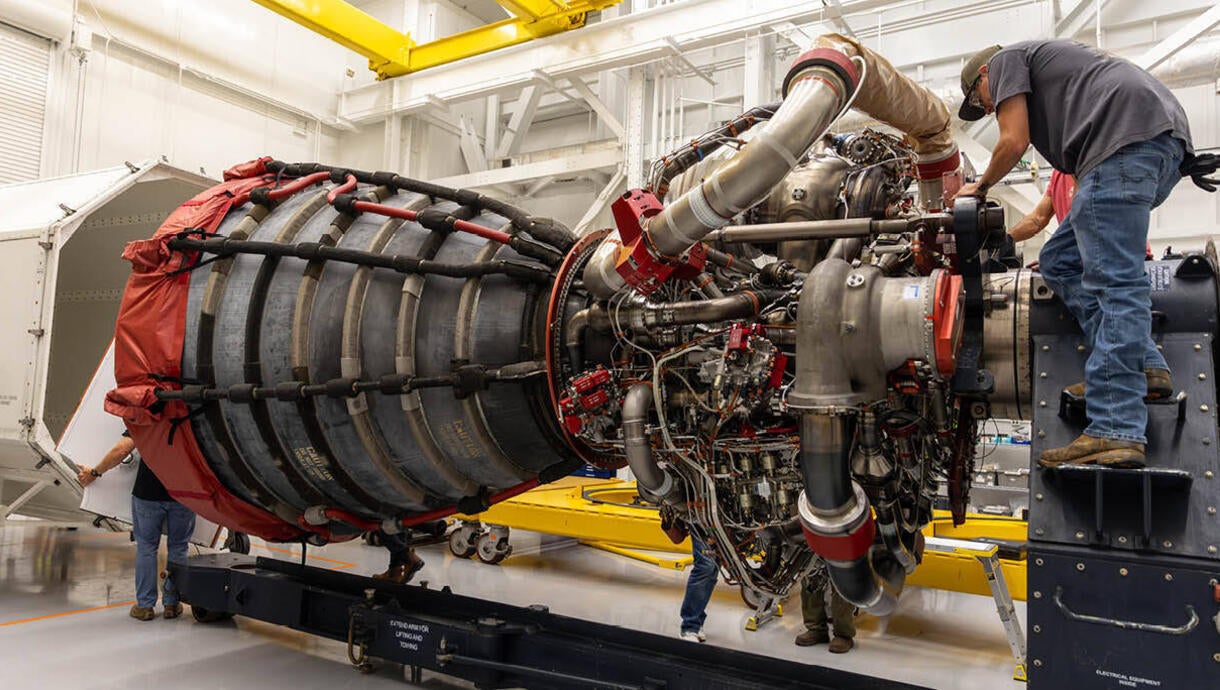
For the Artemis II mission, which launched April 1, L3Harris supplied 40 advanced avionics systems for precision control and monitoring of the launch vehicle, along with RS-25 engines, in-space thrusters and the Orion audio system. The city's economic development office said in a June 15 post that L3Harris built 40 avionic units on the Orion spacecraft for Artemis III as well, though L3Harris has not independently confirmed the exact count for the new mission.
"Whether it's designing it and engineering, building it and operations and testing it. All of that is done right here in Mason, Ohio," Jake Hendrickson, Space Avionics Chief Engineer at L3Harris, told WCPO on March 31, ahead of the Artemis II launch. "So certainly (there's) a sense of pride in being able to provide the launch vehicle and the avionics behind it that keeps those astronauts safe on the way to the moon."
Stays with L3Harris after Rocketdyne split
The Artemis III work remains with L3Harris after the company completed its Aug. 4 sale of space propulsion, power and electronics businesses to AE Industrial Partners for $845 million, creating the standalone Rocketdyne. The RS-25 engines powering the SLS core stage were excluded from that deal, according to SpaceNews, meaning the Mason campus's engine and avionics contributions stay under the L3Harris umbrella.
L3Harris announced July 22 that it delivered all four RS-25 engines for integration with the SLS core stage. Assembly is underway at Kennedy Space Center: the core stage arrived in late April, solid rocket booster segments are being stacked and Orion's heat shield has been installed.
What's next
NASA is targeting mid-to-late 2027 for the Artemis III launch from Kennedy Space Center Pad 39B. The crew, announced June 11, includes Commander Randy Bresnik, Pilot Luca Parmitano of the European Space Agency, and Mission Specialists Andre Douglas and Frank Rubio.